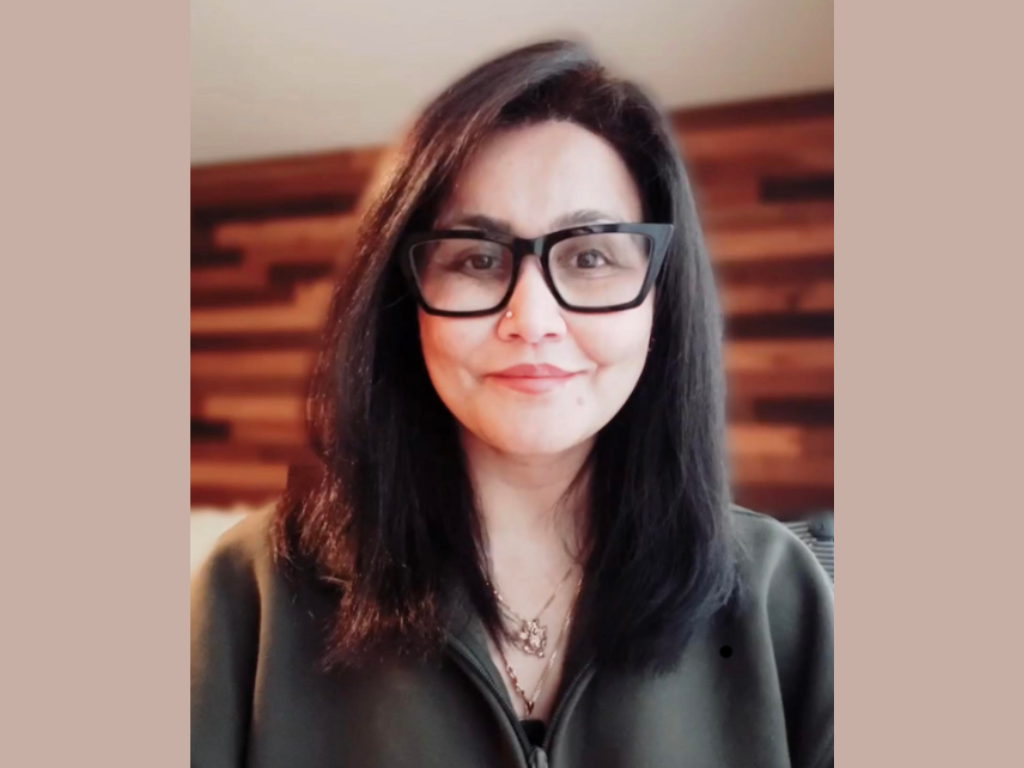
Menopause Awareness Month: An Interview With Puja Taneja
Periods are a stigmatized topic. This is something we have talked about before on The Breaking Barriers Blog, and as a co-founder of Pads for Peers, I have seen this firsthand. However, I've realized that when it comes to menopause, the stigma runs even deeper.
There is so much discomfort and shame around something that around half the population goes through at some point in their life. That is why, in honor of Menopause Awareness Month, I wanted to learn more. I recently spoke with menopause and life coach Puja Taneja to better understand what menopause is, what it is like to navigate it, and what we all can do to break the stigma.
What is your work surrounding menopause?
Taneja helps people experiencing perimenopause and menopause navigate this stage in their life and help them reconnect with their bodies. She uses yoga, mindfulness, and lifestyle choices to help people learn to regulate energy and minimize their menopause symptoms.
What was your journey to this field?
Taneja's path into this field was shaped by her own experience navigating perimenopause. When she sought support from fitness coaches, she quickly realized that most weren't equipped to guide people through the experience of menopause. Realizing that many people could benefit from advice surrounding menopause, she decided to learn more about menopause and become a life coach. As she put it: "This is something that my mother faced, my aunts have faced, and none of them had any support—until me. Now it ends here with me."
What is menopause? What is the science behind it?
Menopause is the point in time when a person has not had a menstrual period for 12 months. This marks the end of their reproductive years, since it happens when the ovaries stop producing eggs and progesterone and estrogen levels drop.
What age does menopause usually take place, and what are some early signs?
Menopause usually takes place between the ages of 45-55, with the average age being 51. Some early signs include hot flashes, irregular periods, and mood swings.
What are perimenopause, menopause and postmenopause?
Perimenopause is a transitional period before menopause when hormone levels begin fluctuating. Menopause is 12 months after a menstrual period. Postmenopause is after menopause, when hormone levels have stabilized. However, some women continue to experience menopausal symptoms postmenopause.
What challenges do people face surrounding menopause?
People often face a combination of physical, mental, and social challenges. Physical challenges include hot flashes, night sweats, fatigue, and joint pain. Mental challenges can be mood swings, anxiety, brain fog, or depression. Socially, many people face stigma, a lack of support, or feeling invisible or dismissed at work or in healthcare.
Why is it important for everyone, not just older people, to understand menopause?
First, by understanding menopause, you can better support the people around you going through it. You will be surprised at the amount of people around you going through menopause, and just by validating them or giving them more grace, you can improve their experience greatly. Additionally, menopause is something many people will go through at some point in their life, so by learning about it from a young age just by being active and eating healthy, they can better prepare themselves for menopause.
If there is one takeaway you want people to have about menopause, what should it be?
Menopause is not a disease. Rather, it's a rite of passage that we should approach with knowledge, holistic care, and compassion. Menopause is an opportunity for renewal rather than fear.
Note: If you have any questions for Puja Taneja, you can email her at puja@thetanejamethod.com.